
Get Viral Influencer

Blog

Your blog category

Blog

How Fashion Creators Secure More Paid Collaborations in 2026

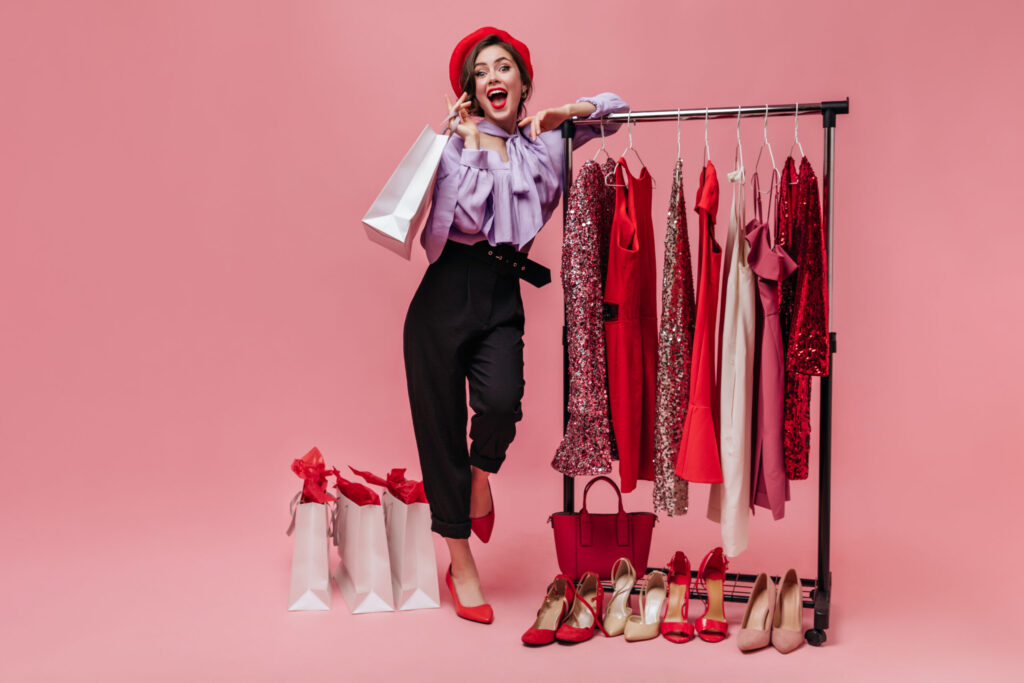
How Fashion Creators Secure More Paid Collaborations in 2026 The modern fashion designer has moved way beyond the term “influencer”. You are the trend-setters who impact people’s daily clothing choices and shape their perceptions of fashion. Brands want more than just attractive photos – they want your originality, genuineness, and creativity.  Collaborations in 2026 go beyond just displaying clothing. They focus on the content that seems authentic, relevant, and powerful. Companies seek out creators who can inspire, establish credibility, and captivate audiences. This guide will show exactly how to stand out, engage brands, and sustain continuous partnerships to draw more attention from them and broaden your opportunities. 1. Develop a Unique Style That Captures Brand Attention In 2026, brands aim to steer clear of “generic fashion reels. “They look for creators who have a unique style. Reflect internally: Do you represent a minimal aesthetic? Do you embody streetwear confidence? Do you like traditional or regional style? Do you work as a budget fashion stylist? Are you a blend of jewellery and ethnic attire? Your unique style defines who you are – and your identity earns you money. 2. Elevate Your Visual Appeal (Even with a Limited Budget) Powerful visuals result in enhanced partnerships. Nonetheless, expensive equipment is NOT necessary. Try this instead: Natural daylight Transparent backgrounds Uniform visuals 9:16 screen proportion Expressive poses Smooth transitions Brands value creators who present their product as premium. 3. Hop on Fashion Trends Fast – Don’t Wait Trends now disappear in 48 hours. Creators who act FAST get viral reach. Watch out for: Trending hooks (“Stop scrolling… I found this outfit hack”) Sound trends Aesthetic edits Before/After transformations “Get ready with me (GRWM)” formats The more relevant you are, the more brands want to ride your momentum. 4. Show Brands You Can Sell – Not Just Look Good Brands hire creators who convert. So create content like: How you can style a full look under ₹999 Three easy ways you can wear one outfit for college, work, or a date Budget-friendly lookbook ideas you can create under ₹2000 Outfit ideas you can share for wedding guests Simple Jewellery – and outfit matching ideas you can put together Fashion content with value gets you more paid deals than simple photos.  5. Produce 5-6 Example Brand-Style Videos If a brand cannot observe you endorsing their products, they will not contact you. That’s why it’s so important to have a few well-made sample videos that look and feel like real brand campaigns. You can show your unique style through UGC-style outfit try-ons. Film small clips during your fitting sessions or even inside the trial room. You can share simple setup ideas, styling thoughts, and accessory pairings. Take short, natural-looking store visit videos that feel real, not scripted. Explain about your outfit picks – why you chose them, how they fit, and how comfortable they feel. 6. Focus on Maintaining a Healthy Performance In 2026, brands will prioritise genuine creators over those with large follower counts. Your goal should be to create authentic content, rather than just accumulating followers. You need to concentrate on: Maintain a healthy engagement rate, approximately 5-12% Encouraging real comments instead of just emojis. When your audience genuinely engages with your content, brands recognise this – and have increased trust in you. 8. Sell Yourself as a Pro to Fashion Brands A quick enhancement to your opportunities is a polished, professional message. Your presentation must include: Your identity Your specialty (e.g. streetwear / cultural/high-end / affordable fashion) Your statistics Example videos Your pricing sheet Your accessibility Fashion brands enjoy collaborating with creators who communicate like experts. 9. Build Long-Term Brand Relationships  One-off collaborations are good, but repeat partnerships are better. Be consistent with quality and posting schedules • Deliver content on time and as per the brief • Follow brand guidelines without losing your personal style • Share insights, performance, and feedback after campaigns • Communicate clearly and professionally at every step Fashion brands prefer creators they can trust, rely on, and grow with long-term. Key Takeaway: 2026 Is the Year to Make a Big Move If you seek additional paid fashion collaborations: Remain uniform Be clear. Be aesthetic. Be YOU. And with the right strategy, you’ll turn your style into steady income all year long.

Blog

Ways for Beauty Creators to Distinguish Themselves in 2026

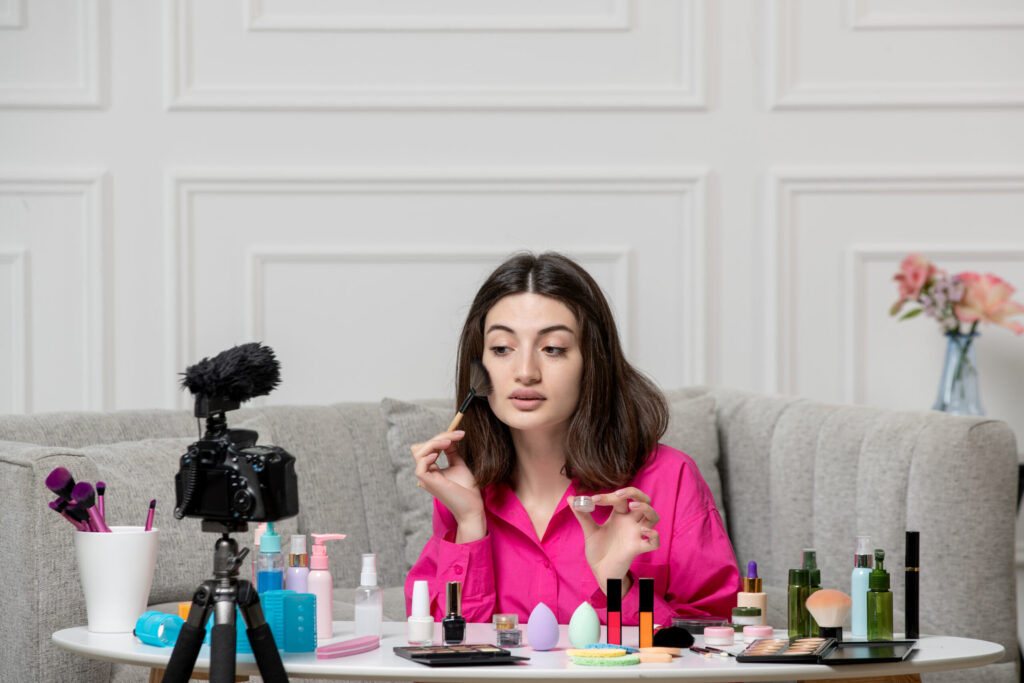
Ways for Beauty Creators to Distinguish Themselves in 2026   In the beauty industry, trust holds value – and those creators who secure brand collaborations aren’t necessarily the largest… They’re the most trustworthy. With beauty brands becoming more selective, creators need more than pretty videos – they need trust-building power that proves they can influence real buying decisions. Here’s how beauty creators can build the kind of trust brands instantly notice. Because today’s brands seek out creators who feel authentic, not merely creators. authors who are truthful in their evaluations. creators who do not exaggerate but rather educate. creators that prioritise their audience over their goods. Transparency will gain more partnerships in 2026 than its total number of followers. In an increasingly competitive and opportunity-rich beauty market, you will stand out if you can produce content that is genuine, helpful, and experience-driven. 1. Show the Real Results, Not Just Aesthetic Videos Beautiful transitions and gentle lighting are appealing – yet brands seek evidence. They seek creators who demonstrate: real skin texture before & after swatches in natural light honest reactions This automatically builds stronger credibility. Authenticity > aesthetics in beauty. 2. Share Your Honest Reviews Brands prefer creators who don’t claim that “everything is amazing. “They seek creators that the audience trusts. By openly talking about what succeeded, what failed, and who the product truly benefits the most, you foster trust — both with your audience and with brands as well. Here’s why honesty results in more collaborations: Audiences trust creators who offer balanced perspectives, instead of excessively flattering ones. Brands today prioritize authenticity over perfection since true reviews result in increased conversions Helpful criticism aids brands in enhancement, increasing their appreciation for your content. 3. Create a Distinct Beauty Look Creators with a unique identity attract more compensated partnerships. It could be: “Skin-first” minimalism     Bold editorial looks DIY skincare breakdowns Every day makeup for office girls Deep-dive ingredient content A signature niche makes you memorable and marketable. 4. Consistency Builds Credibility Posting once a month does not establish trust. Brands want consistent creators who appear 3–4 times weekly and develop a reliable audience. Brands rely on creators who maintain consistency and a trustworthy presence because consistency indicates professionalism. It demonstrates that you create your content with seriousness, rather than treating it as a pastime. When you share consistently, make valuable content, your audience remains engaged. 5. Convey Your Distinct Beauty Journey Sharing stories builds trust like nothing else. From acne struggles, hair care wins, to makeup breakthroughs, sharing real stories builds real bonds, and those bonds open the door for meaningful collaborations. When the creators share their genuine experiences, audiences become more involved. When creators share their genuine experiences, audiences become more engaged. They connect with the struggle, they honor the progress, and they believe in the transformation. That bond becomes more powerful than any perfectly made video. Narratives render your content unforgettable. They maintain the engagement of your audience. They help brands see you as more than just a creator They see you as a trustworthy narrator who can instigate change by being truthful.  6. Engage With Your Community (Not Just Post and Leave) Engage with your audience by responding to all comments, posing interesting and reflective questions, and creating interactive polls.  Disclose the results of your audience based on your advice.  This type of two-way interaction will demonstrate to brands that your influence is active and built on trust, rather than being inactive 7. Show What You Stand For: Smart Ingredients, Skincare Awareness & Honest Education Brands love creators who actually know what they are talking about. When you are well informed, you attract good opportunities automatically as you: Explain ingredients in a relatively clear manner Make skincare steps simple and not confusing Responsibly review products; know what matters. Place safety and credibility first in every recommendation. Honest education by creators builds a type of trust that brands most covet. 8. Display Professionalism — Even in Subtle Aspects Trust is similarly founded on actions: responding to brand emails promptly submitting work before the due date examining briefs carefully keeping structured analytics providing insights that brands truly require Professional creators forge ongoing collaborations rather than single projects. 9. Show all Past Brand Collaborations (Even If Small) Show every past brand collab — even the small ones. They prove your consistency and build your credibility. Highlight your collabs in: a pinned video Instagram Highlights a creator media kit Even one or two partnerships show that your brand is ready and experienced. Key Takeaway: Trust is Essential for Beauty Creators In 2026, trust consistently exceeded follower counts. Brands started choosing creators who can forge authentic connections instead of just generating viral content.  They seek creators that the audience trusts. By openly talking about what succeeded, what failed, and who the product truly benefits the most, you foster trust — both with your audience and with brands as well.  Keep in mind: Integrity = Impact. Impact = Increased Monetary Partnerships

Blog

Influencer Marketing vs Traditional Advertising: Which Really Converts?

Influencer Marketing vs Traditional Advertising: Which Really Converts?   Today’s marketing is focused on building trust versus getting the most exposure possible. Many business organisations have invested millions in the traditional marketing concept involving exposure through TV commercial advertising or advertising in newspapers/magazines or even web advertising involving something such as banners; however, the current scenario involving Influencer Marketing shows it’s picking up traction and directly influencing the manner in which new consumer goods/services reach individuals in accordance with their personal beliefs. The basic difference between these two types of marketing involving the promotion of goods/services lies not in terms of overall appearance but in terms of their efficacy in influencing individuals to acquire the particular item being marketed. Traditional forms of marketing appear to be akin to a salesperson in an overt manner; as a contrary opinion to it, influencer marketing appears to provide a significantly more personal touch to the user.  1. Trust Creates Conversions, Not Just Visibility  Influencers do it differently. They share their real stories, honest thoughts, and their daily life with their followers. Over time, people start relating to them and taking their suggestions seriously. It does not feel like a sales pitch at all. Followers choose to follow, so they are not getting interrupted all the time. When an influencer talks about a product, it is like advice from a friend, not some scripted message. That trust part leads to actual conversions. Visibility alone does not cut it. In traditional advertising, you interrupt what people are doing, like watching a show or scrolling. They do not want to stop for an ad, especially if it pops up out of nowhere. It just annoys them.  2. Influencers Grab Attention Naturally Consumers in traditional advertising are interrupted when viewing content. They can be viewing a video streaming service, television, or other online content when an advertisement displays. Consumers generally don’t have time to view this content when they are being interrupted. Influencer content, on the other hand, integrates easily into a newsfeed. Reels, postings, and stories appear to be part of the organic content and not ads. As a result, consumers are more receptive to viewing, interpreting, and focusing on a brand message. Consumers are better able to understand content with an authentic message. Brands will reach fewer people than they would with traditional advertising, but they reach people who are actually interested in what they offer. 3. Niche Targeting Trumps Reach Traditional advertising is all about targeting large groups, such as those based on age, gender, or location. It reaches a large audience, but honestly, it sometimes misses the mark and ends up showing content to people who are not even interested in that thing. With influencers, brands can connect more directly to what people actually care about, their hobbies, or about passions they have. For example:  A fitness blogger, they speak right to people who are into staying healthy and working out. Or a fashion creator, who reaches out to those obsessed with clothes and styles. Then there’s the tech reviewer, getting attention from folks hunting for the latest gadgets.    4. Authentic content shows real life, and real life connects with people. Traditional advertising is always polished, scripted, and meant to appear perfect. Although they appear attractive, they can appear very unrealistic and remote to consumers. Consumers realise they are watching an advertisement, making it more challenging to connect with it.   Influencer content differs in these respects: A real usage example, not a staged scene It contains honest views and experiences It feels natural and easy to relate to Helps in creating a transparent environment Consumers these days prefer authenticity over perfection. When information is authentic, people tend to believe in it, and believing in it leads to taking action. 5. Engagement Displays Intention, Not Just Interest Engagement, which shows a degree of interest and intent, is the key to influencer marketing. People show that they have been moved by a message when they interact with content. Influencer interaction entails:  Remarks Reflecting Inquiry and Curiosity  I find this to be quite fascinating. Saves customer messages that can start conversations that result in a direct purchase, along with an indication of future purchase intent. Through this engagement, brands can reach their consumers and respond to their queries. Engaged users are already fascinated with brands; thus, they are far more likely to purchase than those who just view brands.  6. Influencer Marketing Offers Higher ROI Influencer marketing offers much more flexibility. Brands can choose influencers based on their budget, goals, and target audience. Campaigns are also easier to track and optimise. Influencer marketing allows brands to: Work with nano, micro, or macro influencers, depending on the budget Start small and scale campaigns based on performance Track results through links, discount codes, and analytics Measure engagement, clicks, and conversions clearly.This flexibility makes influencer marketing a more accessible and measurable option, especially for brands focused on growth and return on investment.     7. Influencers Drive the Entire Buying Cycle Traditional ads mostly stop at awareness. They show the product but rarely guide people beyond that moment. Influencers, on the other hand, stay with the audience through every stage of the buying journey: Helping to show the consumer how they would be able to find a certain item naturally (without having to order from a website). Explaining how to use it based on actual experiences and the recommendations of others. Establishing a level of trust that will last beyond a single post. Providing enough momentum to purchase with the help of influencer recommendations or other offers after initially learning about it Helping to solidify their decision post-purchase by showing them actual results from the purchased item. 8. Social Proof Reduces Buyer Doubt Traditional ads rely on brand claims. Influencer marketing manufactures vivid social proof. If several creators are using and recommending the product, then that validates a brand and reduces uncertainty.It convinces any potential buyer to see real people enjoying your product. Why it works: Proof eliminates

Scroll to Top